Time Management for Students
Boost academic success with effective time management: plan ahead, prioritize tasks, work efficiently, track progress, and avoid burnout as a student.


Managing your time effectively is one of the most important skills for academic success.
Effective time management for students involves creating a structured, flexible schedule using planners or digital calendars to balance academics with personal life.
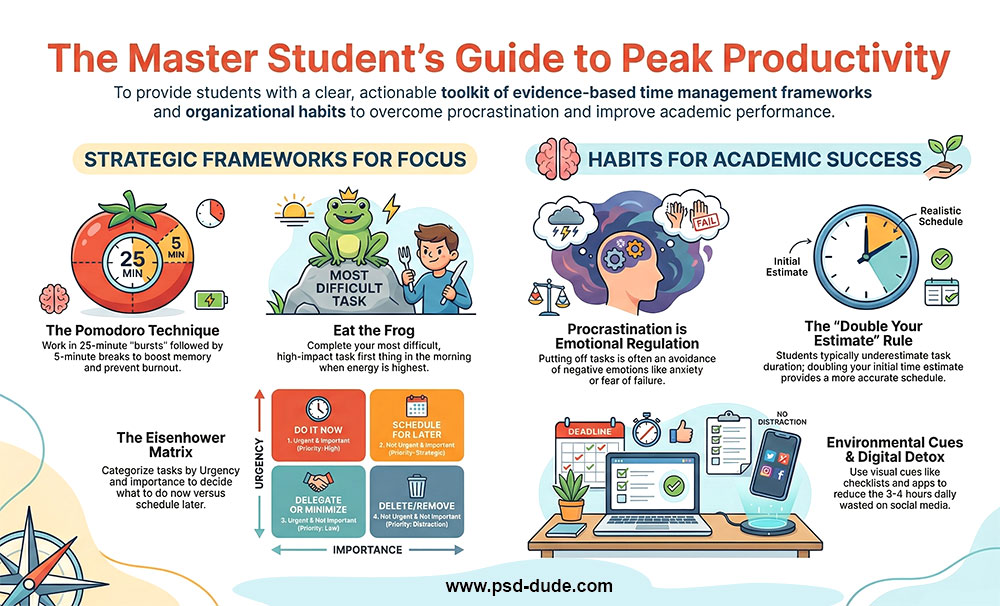
Time Management Tips for Students
Students often need to create or work with a variety of materials to support their learning. Check out these student project ideas if you need one fast.
- Notes (class notes, summaries)
- Assignments (essays, reports, problem sets)
- Visuals (Presentation slides, academic posters, flyers, etc.)
- Study materials (flashcards, guides)
- Projects (research, group work)
- References (books, articles, links)
When deadlines pile up and classes compete for attention, good time management helps you stay organized, reduce stress, and perform better without burning out. Below there are 6 time management strategies for students that contain a simple, student-friendly approach to managing your time—plus practical tools you can start using today.
1. ⌛ Track How You Use Your Time
Before you can improve your schedule, you need to understand where your time actually goes. Many students underestimate how much time they spend scrolling, multitasking, or procrastinating.
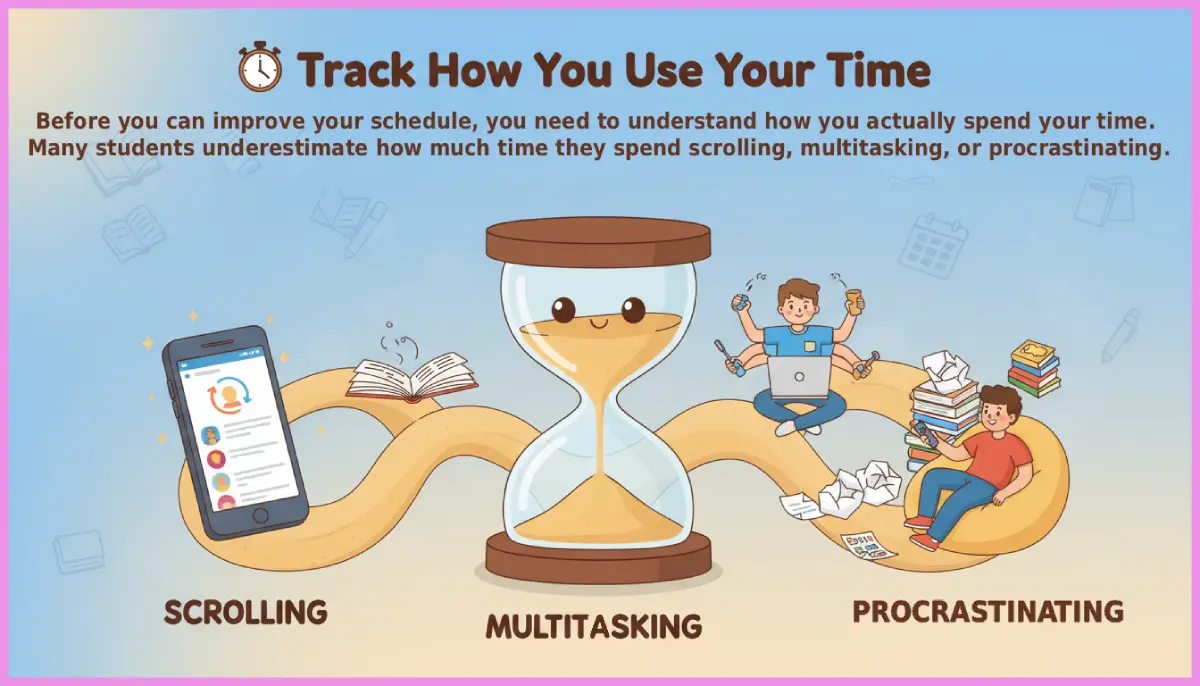
🛠️ Tools: Weekly time-tracking note (Notion or a simple notes app). Notion is an all-in-one productivity app where you can take notes, plan tasks, track time, and organize projects—all in one place.
Example: For one week, jot down what you do each hour—classes, studying, social media, breaks. At the end of the week, you might realize you’re spending two hours a day on distractions that could be redirected to assignments or revision.
2. 🤝 Use Support When You Need It
Trying to do everything alone can slow you down. Getting help is a smart strategy, not a weakness.
🛠️ Tools: Study groups, tutoring platforms, or assignment help services
Design work mixes making visuals with writing research and documenting your process. You're creating graphics, explaining concepts, and showing your work. Sometimes three design projects hit the same week as midterms. Smart planning helps when everything piles up at once. Some students get help through EduBirdie assignment help for research papers so they can spend those hours in Photoshop. You focus on learning layers and getting compositions right. More time on design means better final work. Your portfolio ends up stronger.
Example: If you’re struggling with a difficult subject, join a study group to share notes and ideas. When deadlines overlap, tutoring or assignment support can help you manage heavy workloads more effectively.
3. 🗓️ Plan Ahead to Avoid Last-Minute Stress
Planning ahead helps you see deadlines clearly and spread your workload evenly instead of cramming everything into one stressful week.
🛠️ Tools: Google Calendar or a physical planner. Google Calendar helps with time management by letting you schedule tasks, deadlines, and reminders so you can see your day and plan your time clearly.
Example: At the start of the semester, add all assignment due dates, exams, and project deadlines to your calendar. If an essay is due in three weeks, schedule smaller tasks like research, outlining, and drafting across multiple days.
4. ⭐📌 Prioritize What Matters Most
Not all tasks are equally important. Prioritizing helps you focus on high-impact work instead of spending time on low-value tasks. Many students are working and studying at the same time so prioritization is the key.
🛠️ Tools: Eisenhower Matrix or a to-do list app like Todoist
The Eisenhower Matrix is a method for prioritizing tasks. You can use it on paper, in a notes app, or inside tools like Notion or Todoist, but the matrix itself is the idea, not the software.
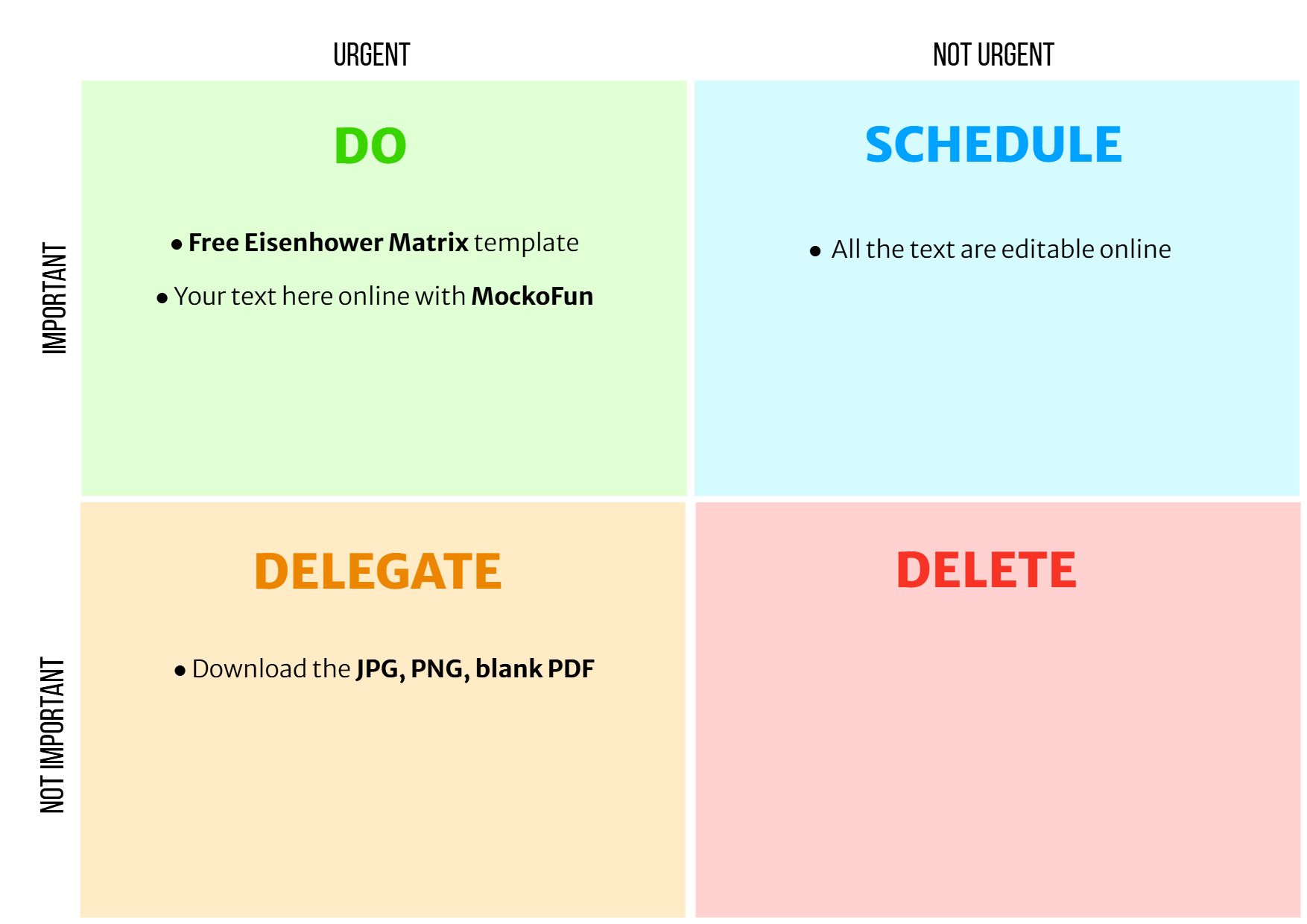
Example: If you have a quiz tomorrow and a group presentation due next week, study for the quiz first. Using a to-do list app, mark urgent and important tasks so they’re completed before less critical ones.
5. 🧠 Work Smarter, Not Longer
Long study hours don’t always mean better results. Working efficiently helps you stay focused and avoid burnout.
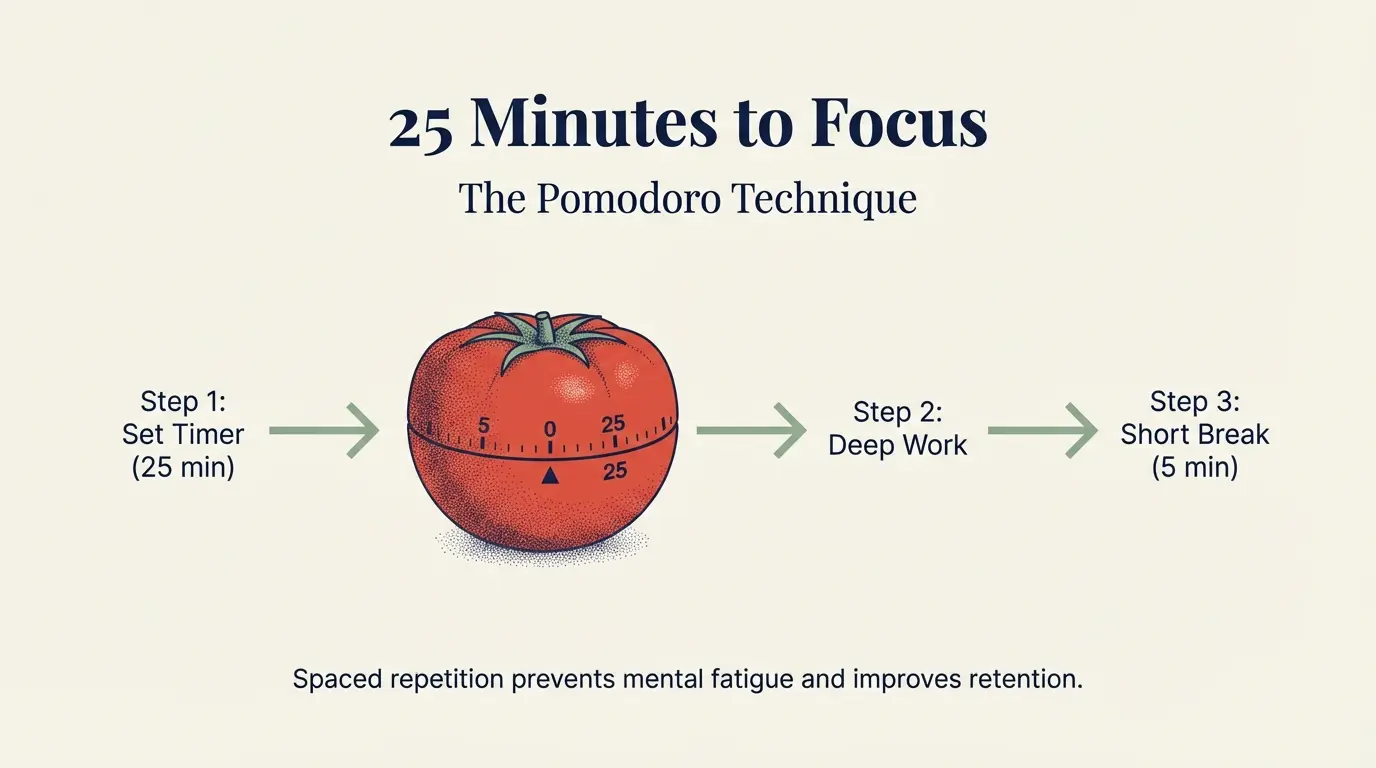
Use the Pomodoro Timer which is a time-management method where you work for 25 minutes, then take a 5-minute break. After four sessions, you take a longer break. It helps you stay focused, avoid burnout, and get more done in less time. There are real health concerns of computer use for students that spend hours working on different projects.
🛠️ Tools: Pomodoro Timer + Canva for quick visuals
Tools like Canva or MockoFun run in your browser with thousands of templates ready to go. Drag stuff around, change colors, export. Done. No downloads, no learning curve. Designing a poster for an event is quite easy to do now. You can even use the AI for 1-click results. Here you have a list with AI tools for graphic design that provide quick results.
Photopea is a cheaper Adobe that you can use in your browser for free. Same or really similar Photoshop layers, masks, filters. Great for learning before you can afford Creative Cloud. Interface looks identical so skills transfer directly.
Google Slides is great for making presentations and visualizing information.
Example: Use the Pomodoro technique: study for 25 minutes, then take a 5-minute break. If you need slides for a presentation, use Canva templates instead of designing from scratch—saving time and energy.
6. 📈 Review and Improve Weekly
Time management is an ongoing process. Reviewing your week helps you identify what worked and what needs adjustment.
🛠️ Tools: Weekly checklist or Notion dashboard
Example: At the end of each week, review your completed tasks. Did you underestimate how long assignments take? Adjust next week’s plan to allow more time for challenging subjects.
Final Thoughts
The students and time management key strategies include prioritizing tasks by urgency, avoiding multitasking, and breaking large assignments into smaller, manageable chunks. Utilizing techniques like the Pomodoro method (25-minute focus, 5-minute break) and minimizing distractions like social media are essential for maintaining productivity.
Effective time management for students isn’t about being busy—it’s about being intentional. By tracking your time, planning ahead, prioritizing tasks, working efficiently, using support, and reviewing your progress, you can stay on top of your studies and protect your well-being. Start small, stay consistent, and your academic success will follow.
Star Wars Symbols
Photoshop Video Editing
No comment(s) for "Time Management for Students"